Hair transplant recovery with timelines, processes, & post-op care tips

13 min read
Achieving optimal results depends heavily on post-transplant care and understanding the recovery timeline. Many patients wonder, “How long does a hair transplant take to heal?” While the initial healing process lasts two weeks, full results take 6-12 months.
This guide provides a detailed timeline, personal insights from Spex, essential post-op care tips, and expert advice to ensure a smooth recovery and maximum results.
Understanding Transplant Recovery
What happens after surgery, from healing to hair growth, here’s what to expect.
Types of Hair Transplant Procedures
The two most common hair transplant methods are:
- Follicular Unit Extraction (FUE): Individual follicles are extracted and implanted into balding areas. This method has a shorter downtime and minimal scarring.
- Follicular Unit Transplantation (FUT): A strip of scalp is removed and dissected for implantation. Recovery is slightly longer due to the sutures required in the donor area.

Ideal candidates for hair transplant recovery:
- Have adequate donor hair at the back of the scalp.
- Understand that future hair loss may still occur.
- Have realistic expectations about hair transplant downtime and results.
There are no instant results. Hair transplant recovery is a gradual process, and it takes time to see the bigger picture. Check out the before and after hair transplant pictures for a clearer idea of the journey and images of different patients I worked with.
Hair Transplant Recovery Timeline
A week-by-week breakdown of what your recovery will look like. No surprises, just facts. You can watch the full timeline unfold in this video on YouTube.
Timeline Recovery Graph

Stages of recovery
The table below outlines key recovery milestones following a hair transplant:
| Timeframe | Recovery Stage | What to Expect |
|---|---|---|
| Days 1-3 | Immediate Recovery | Swelling, redness, and scabbing. Sleep with head elevated. |
| Days 4-7 | Initial Healing | Scabs begin to fall off. Gentle hair washing is allowed. |
| Weeks 2-4 | Shedding Phase | Transplanted hairs shed and normal for the hair shafts to fall out. |
| Months 2-3 | Dormant Phase | There is little visible growth. Some itchiness may occur. |
| Months 4-6 | Early Regrowth | New hair starts growing, though delicate and thin. |
| Months 6-12 | Maturing Growth | Transplanted hair thickens, giving fuller coverage. |
| 12+ Months | Final Results | The full density of transplanted hair is achieved. |
Want to see how hair growth stages look month-by-month? Watch this video on hair growth times and stages.
Immediate Post-Operative Phase (Days 1-7)
The first week is vital for healing. This section covers what to expect, how to manage symptoms, and key aftercare tips.

What to Expect Right After Surgery
The first few days after surgery are crucial for the survival of the graft. Expect:
- Scabbing, redness, and mild swelling, particularly around the forehead.
- Tightness in the donor area (FUT patients may feel more discomfort).
- Some tenderness can be managed with prescribed medication.
Managing Common Symptoms
- Swelling: Keep your head elevated and use cold compresses.
- Redness & Sensitivity: (I recommend Aloe vera gel and groMD shampoo).
- Itching: Avoid scratching as this can dislodge grafts.
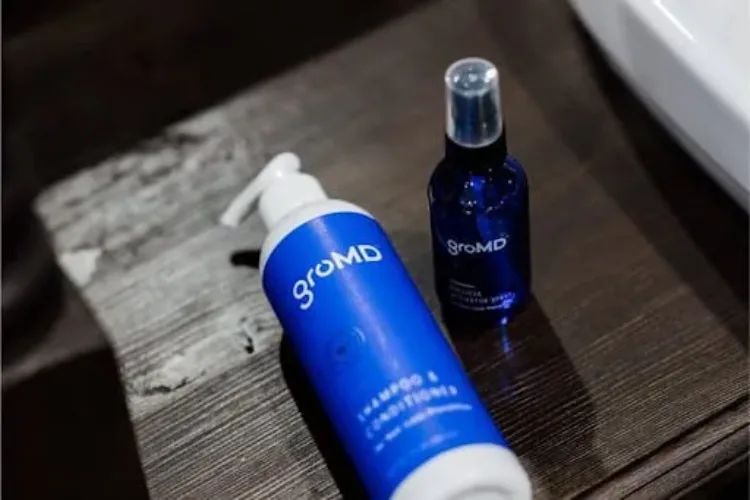
groMD Shampoo
Soothe post-op redness and support healing with groMD Shampoo. Gentle care for your scalp when it needs it most.
Essential Post-Operative Care Tips
- Wash the hair gently using a mild shampoo such as groMD Shampoo.
- Avoid alcohol, smoking, and strenuous activity, as they slow healing.
- Sleep with a travel pillow to protect grafts.
Expert Tip from Spex: “Sleep up right and drink lots of water!”
Short-Term Recovery (Weeks 2-4)

Shedding Phase
At 2-4 weeks, the shock loss phase begins, where transplanted hairs are shed before new growth emerges. This is entirely normal.
Read this expert guide on hair transplant downtime for a deeper look into the downtime and shedding phase.
Resuming Daily Activities
Most patients return to work within 3-5 days, but:
- No heavy workouts for at least two weeks.
- Wear a loose cap if you’re in direct sunlight.
Scalp Care and Maintenance
- Continue gentle washing avoiding hot water and harsh scrubbing.
- Avoid hair styling products they can clog follicles.
Spex’s Insight: “When my grafts started shedding, I panicked! But trust the process. Every hair transplant patient goes through this phase. The sooner the grafts shed, the sooner they will go into the regrowth phase.”
Mid-Term Recovery (Months 2-6)

Onset of New Hair Growth
Between 2 and 4 months, the first signs of growth appear. New hair may be:
- Thin and uneven at first.
- Lighter or curlier than the surrounding hair.
Spex’s Insight: “Be very patient, as the fun has only just begun. The next 6 months are the key months for further main growth and maturing.”
Continued Care Recommendations
- Eat a balanced diet rich in biotin, iron, and zinc.
- Consider growth stimulators like minoxidil
- Avoid harsh chemical treatments for at least six months.
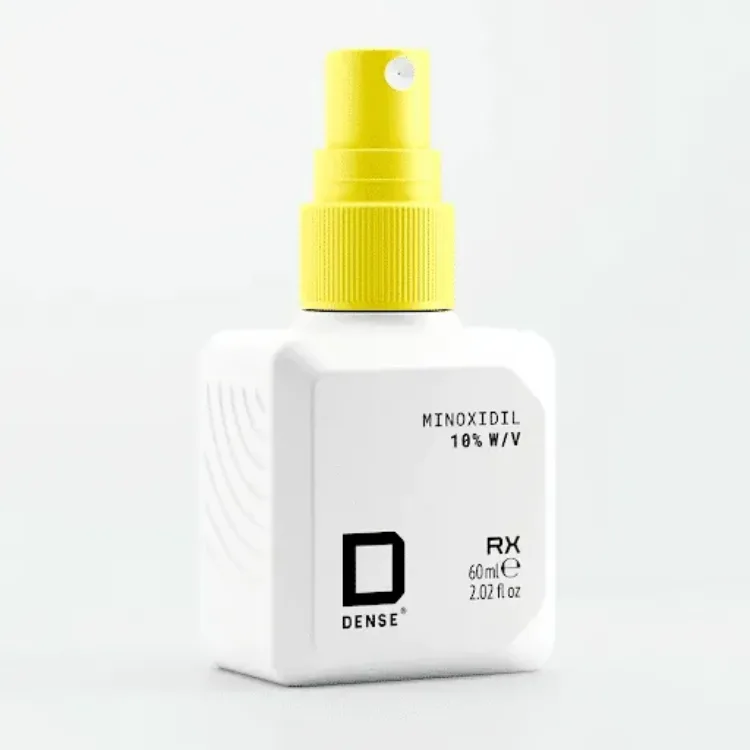
Topical Minoxidil Spray
Encourage new growth with Dense Topical Minoxidil Spray. A targeted solution to help boost results during the regrowth phase.
Long-Term Recovery (Months 6-12 and Beyond)

Achieving Full Results
At 6-12 months, transplanted hair fully matures.

Spex’s Insight: “At 12 months, you’ll know your final result, but some patients see thicker hair even after 18 months.”
Styling and Grooming
- Trim hair only after 3-4 months.
- Avoid tight hairstyles like ponytails or braids.
- Be patient as the growth is coming.
- A watched kettle never boils
Maintaining Scalp Health
- Use DHT-blocking shampoos if experiencing further hair loss.
- Consider PRP therapy to improve follicle health.
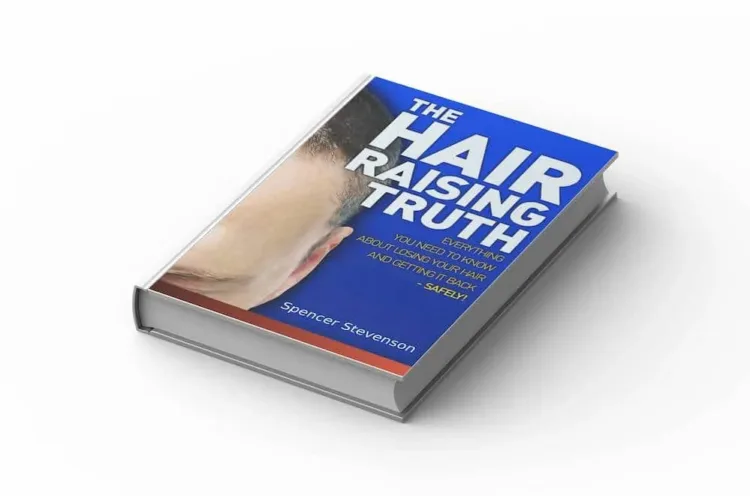
The Hair Raising Truth
Download the free E-book and find out everything you need to know about losing your hair and getting it back
When to Seek Medical Advice
If you notice:
- Persistent pain or excessive swelling beyond 7 days.
- Signs of infection (pus, redness, foul odour).
- For severe shedding beyond 3 months consult your surgeon.
For medical guidance, refer to the NHS hair transplant recovery guide.
Real Patient Examples
After finding trusted online resources and forming a mentorship with respected UK hair loss expert Spex, Davies eventually travelled to New York to undergo his final hair transplant procedure.

Now, six years later and after thoroughly researching effective hair loss treatments and regrowth options, Chris finally has the hair he always hoped for.
Frequently Asked Questions
Answers to common questions on hair transplant recovery:
- Sleep upright in order to help with any swelling on the forehead.
- Drink lots of water post-op, as it helps with swelling.
- Keep on top of all painkillers to help in the night
New hair growth begins at 4 months, but it may appear thin and uneven. This is entirely normal, as hair matures over time.
Many patients also experience itching or minor pimples, indicating active follicle growth.
This is the ugly duckling phase, and buyer’s remorse can kick in. It is important that you stay busy and do not over-scrutinise the growth.
Great tips and tricks to help speed up new growth in my FREE ebook.
Most visible healing occurs within 10-14 days, but full recovery takes 6-12 months, depending on hair growth cycles. The final results typically appear between 12-18 months.
To aid faster healing:
- Follow post-op care guidelines strictly.
- Eat a nutrient-rich diet (biotin, iron, zinc).
- Avoid alcohol and smoking, as they slow healing.
- Stay hydrated and get plenty of rest to support healthy hair growth.
Yes, but only after 5-7 days, and it should be a loose-fitting cap. Avoid anything that presses against the grafts or causes friction, as this could dislodge them.
Recovering with Confidence
Hair transplant recovery requires patience and proper care. Following this detailed timeline and expert-backed advice will ensure healthy regrowth and long-lasting results. For confidence and recovering lost hair, be sure to check out my YouTube videos.
Considering a hair transplant? Check out Spex’s recommended hair transplant surgeons for trusted expertise.
Disclaimer
This article is for informational purposes only and does not constitute medical advice. Always consult a qualified surgeon before undergoing a hair transplant.
Author Bio

Spencer "Spex" Stevenson is a leading hair loss advisor with years of personal and professional experience. Through SpexHair.com, he provides trusted guidance on hair restoration.
Related articles



The Hair Raising Truth
Download the free E-book and find out everything you need to know about losing your hair and getting it back