Male pattern baldness genetics

10 min read
Understanding Genetics, Myths, and Modern Solutions : Do You Have the Hair Loss Gene?

They say you can thank your grandfather on your mother’s side for your hairline and while that old saying isn’t entirely wrong, it’s also not the full story. As someone who’s spent over £40,000 and endured 13 hair transplant procedures, I’ve heard every myth under the sun about male pattern baldness (MPB) and the so-called “baldness gene.” So let’s separate the facts from the folklore.
The Science Behind Hair Loss Genetics
- Research from the University of Bonn studied over 23,000 men and found that certain genes linked to early-onset hair loss also overlap with other physical traits like height, bone density, and skin tone. In short — your DNA plays a role, but it’s not the only factor at work. Interestingly, the study noted that shorter men were statistically more likely to experience premature balding. While that might sound unfair, remember that genetics are a mixed bag. You might inherit your dad’s eyes, your mum’s smile, and your grandad’s thinning crown but that doesn’t mean you’re destined to lose your hair.
- Some of the world’s most recognisable men with full heads of hair are on the shorter side think Tom Cruise, Mark Wahlberg, and Brad Pitt. Meanwhile, towering icons like Dwayne “The Rock” Johnson, Bruce Willis, and Vin Diesel prove that being bald can look powerful, confident, and masculine.
- The takeaway? Height doesn’t cause hair loss — hormones, genetics, and lifestyle do.

- So, Can You Tell If You Have the “Baldness Gene”?
Many people obsessively study family photos, trace their uncles’ hairlines, or inspect their temples every morning for signs of recession. But here’s the truth: there’s no guaranteed way to predict hair loss before it starts. While genes carried on the X chromosome (inherited from your mother’s side) do play a major part, studies also show that if your father or paternal relatives experienced hair loss, your risk increases too. It’s not one gene — it’s a complex interaction of many. In simpler terms, it’s a genetic lottery. You might win, you might not — and worrying about it won’t change the outcome.
- SpexHair’s Take: Don’t Fear the Gene — Focus on Action
At SpexHair.com, we’ve worked with thousands of men and women worldwide who believed their fate was sealed by genetics. What they discovered — and what I preach every day — is that you can take control. If you’re noticing early signs of thinning hair, a receding hairline, or increased shedding, don’t panic — act. The key is early prevention and education.
Here’s where to start:
- Finasteride and Minoxidil : Proven medical treatments that slow or stop genetic hair loss.
- Low-Level Laser Therapy (LLLT): Boosts follicle health and density.
- PRP (Platelet-Rich Plasma): A regenerative option that can strengthen existing follicles.
- Modern Hair Transplants (FUE/FUT): When performed ethically by top surgeons, can permanently restore density and confidence.
- The worst thing you can do is ignore it or fall for quick-fix gimmicks. Hair loss is progressive the earlier you address it, the more hair you’ll save.
- The Emotional Side: Reclaiming Confidence
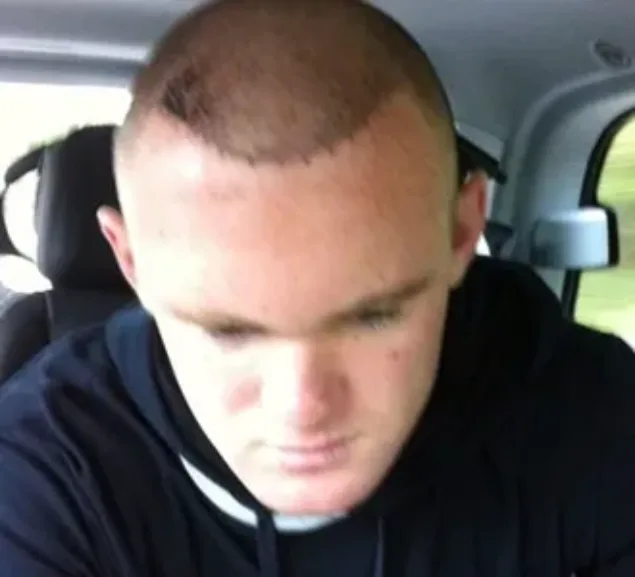
Hair loss isn’t just physical — it’s emotional. I’ve lived through the anxiety, the mirror checks, the regret, and the false hope. That’s why I founded SpexHair to give others the guidance I never had. Whether you choose to embrace baldness like The Rock or fight back with proven treatments, the key is making an informed choice that’s right for you. Hair doesn’t define your worth — but if regaining it helps restore your confidence, that’s a decision worth exploring.
- Final Thought
If your maternal granddad was thin on top, or if your father’s crown has seen better days sure, your odds might be higher. But the gene isn’t destiny.
The only true test for having the “hair loss gene” is simple: look in the mirror. If you’re seeing changes, it’s time to take action.
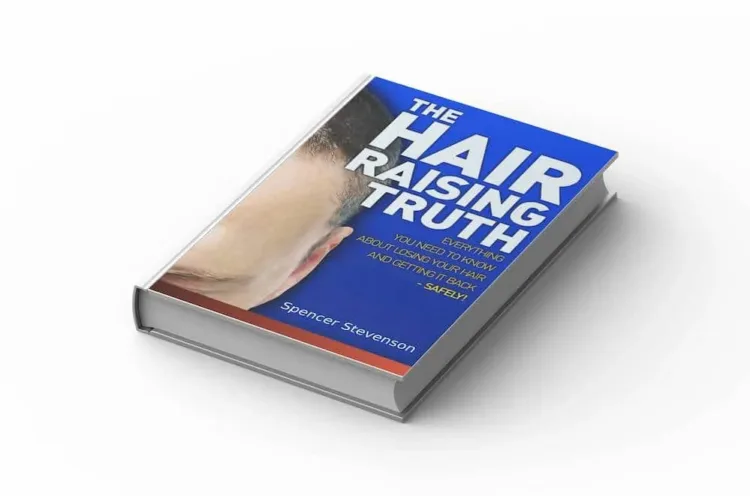
Take my FREE education ebook below to start your journey safely.
The Hair Raising Truth
Download the free E-book and find out everything you need to know about losing your hair and getting it back
Author Bio

Spencer "Spex" Stevenson is a leading hair loss advisor with years of personal and professional experience. Through SpexHair.com, he provides trusted guidance on hair restoration.
Related articles



The Hair Raising Truth
Download the free E-book and find out everything you need to know about losing your hair and getting it back