Hairline & Facial Frame

The Art and Science of Hairline Design
Why the Hairline Matters Most: When it comes to hair restoration, the hairline is everything. It’s the focal point of your appearance — the defining border between your face and your hair. Whether we realise it or not, the frontal hairline shapes how others perceive our age, health, confidence, and attractiveness. It’s the first thing people notice and the feature we instinctively focus on in the mirror. A strong, natural hairline frames the face — just as a perfect frame enhances a painting. Without that frame, even the best artwork feels incomplete. Likewise, a receding or poorly designed hairline can dramatically alter facial balance and self-image, while restoring it can instantly rejuvenate one’s overall appearance.
- Why Hairline Design Is So Important
In hair restoration surgery, the frontal hairline isn’t simply a line of grafts; it’s a blend of medical precision and artistic vision. A well-crafted hairline softens facial features, restores proportion, and gives the appearance of youth and vitality. Many men experiencing early frontal hair loss instinctively try to “fill in” or disguise the receding areas — whether by growing hair longer or styling it forward. But no camouflage compares to the natural aesthetic achieved through ethical, well-planned hairline restoration. At SpexHair, we stress that a hairline should never look transplanted. It should complement the individual’s face, age, and ethnicity, and grow in a natural pattern that stands up to close inspection.
- The Process: Planning the Perfect Hairline
Hairline planning is a collaborative process between the patient and the surgeon — but it must be guided by experience and ethics. The most common mistake? Wanting the hairline too low or too “youthful.” A low, rounded hairline may look natural on a teenager but unnatural on a man in his 40s or 50s. It can create a heavy, artificial appearance that draws unwanted attention. Conversely, placing the hairline too high can exaggerate the forehead and make thinning more visible.
A skilled surgeon takes into account:
Facial proportions and symmetry
Age and projected future loss
Donor hair availability
Ethnic background and hair characteristics
Patient lifestyle and styling preferences
It’s often wiser to begin slightly higher, as a hairline can always be subtly lowered in a future session. The goal is to restore facial framing and balance, not to recreate a teenage hairline that won’t age gracefully.

- Repairing or Redesigning a Poor Hairline
Sadly, many patients come to SpexHair after botched or outdated transplants. The most common issues include:
Hairlines that are too low or unnaturally straight
“Tufted” or pluggy grafts
Overly rounded “bowl-like” designs
Symmetry that looks artificial or harsh
Correcting a poorly executed hairline requires artistic revision and surgical precision. Techniques such as the removal and redistribution of large grafts, placement of single-hair follicular units, and careful blending into existing hair can dramatically soften and naturalise the result. In some cases, creating a subtle widow’s peak or refining the temporal angles restores balance and breaks up uniformity. The aim is to reintroduce the randomness found in nature — something only an experienced surgeon with an artistic eye can truly achieve

- Key Takeaway
At SpexHair.com, we educate patients worldwide about the critical importance of proper hairline design and ethical surgical planning. Through our trusted partnerships with leading global surgeons — all vetted for artistry, transparency, and patient care — we help ensure that the first procedure is done right. A natural, age-appropriate hairline is not just cosmetic — it’s psychological armour. It restores confidence, identity, and the sense of being oneself again.
The Hair Raising Truth
Download the free E-book and find out everything you need to know about losing your hair and getting it back
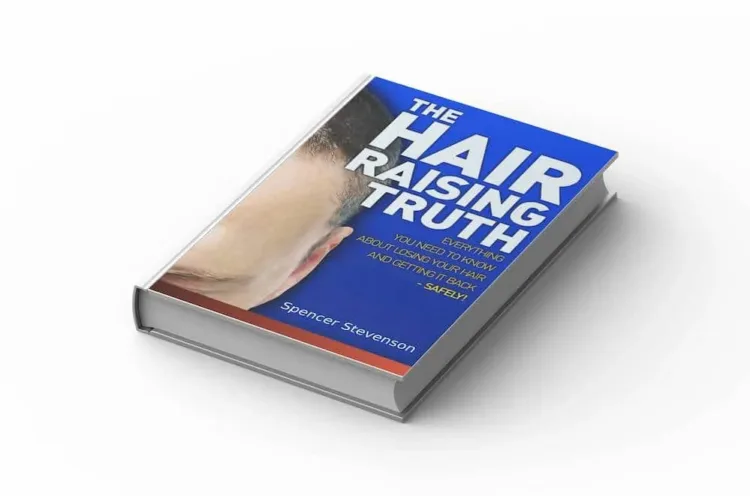

The Hair Raising Truth
Download the free E-book and find out everything you need to know about losing your hair and getting it back