Oral Minoxidil Prescription Advice

Oral Minoxidil is a prescription-only tablet that affects hair growth systemically rather than just at the scalp. It is often prescribed for individuals who don’t see results with topical Minoxidil or who experience scalp irritation from the topical version.
Are you looking for a safe and ethical oral Minoxidil subscription? I recommend Dr Steve Edgar for legitimate, affordable treatment from a trusted medical professional.
Watch Spex Video: How to take oral Minoxidil correctly
Watch Spex’s video below for expert tips on dosage, timing and best practices:
Dosage and Administration
typically prescribed in low doses for hair regrowth, as high doses can lead to unwanted side effects. Common doses include:
| Dosage (mg/day) | Commonly Prescribed For |
|---|---|
| 0.625mg – 1.25mg | Women with hair thinning or excessive shedding |
| 1.25mg – 2.5mg | Men with early-stage hair loss |
| 2.5mg – 5mg | Individuals with moderate to advanced hair loss |
| 5mg – 10mg | Reserved for severe cases, under strict medical supervision |
Oral Minoxidil | Private Prescription
Protect your health, protect your hair—contact trusted private GP directly
Safe. Trusted. Proven Hair Loss medication.
Order your hair loss medication today.

Doctor Supervision
Since oral Minoxidil was initially designed for treating hypertension, it can affect blood pressure and fluid retention. This means it should always be prescribed and monitored by a doctor.
Doctors typically recommend:
- Start with a small dose and gradually increase if needed.
- Regular blood pressure checks to ensure no significant drops occur.
- Monitoring for systemic side effects, such as dizziness, swelling, or unwanted hair growth in other body areas (hypertrichosis).
Patients with a history of heart conditions or low blood pressure should consult a specialist before considering oral Minoxidil.
Effectiveness and Considerations
The effectiveness and side effects of oral and topical Minoxidil differ significantly. See my comparison table below:
| Factor | Oral Minoxidil | Topical Minoxidil |
|---|---|---|
| How it works | Affects hair growth systemically by improving blood flow throughout the body. | Stimulates hair follicles directly at the scalp. |
| Prescription needed? | Yes | No |
| Application | Taken as a daily pill | Applied as a liquid or foam twice daily |
| Effectiveness | More consistent, especially in non-responders to topical minoxidil | Effective in many cases but depends on absorption and compliance |
| Results | May take 3-6 months to show visible regrowth | Can see results after 3-6 months |
| Side Effects | Possible low blood pressure, dizziness, swelling, unwanted hair growth | Scalp irritation, dryness, and initial shedding |
| Best For | Those who didn’t respond well to topical Minoxidil or want a once-daily option | Those who prefer non-systematic treatment with fewer whole-body side effects |
Who Should Consider Oral Minoxidil?
- Those who haven’t responded to topical Minoxidil
- Individuals with widespread hair thinning
- People who struggle with consistent topical application
- Patients under medical supervision for safe monitoring
Not suitable for:
- People with low blood pressure or heart conditions
- Those prone to excessive body hair growth (hypertrichosis)
- Anyone sensitive to blood pressure fluctuations
Combining Minoxidil with Other Treatments
This section breaks down how Minoxidil can work alongside Finasteride, supplements, and laser therapy to support stronger results.
Minoxidil and Finasteride
Minoxidil stimulates regrowth but doesn’t block DHT, the hormone causing hair loss. Finasteride reduces DHT levels, preventing further thinning. When used together, they provide better results than when used alone.
Dr Robert Bernstein breaks down how Finasteride and Minoxidil work together to improve hair retention in this expert guide.
Sign Up for Spex FREE E-Book
Want more expert hair loss tips? Sign up now to get exclusive insights, treatment guides, and Spex’s latest advice delivered to your inbox!
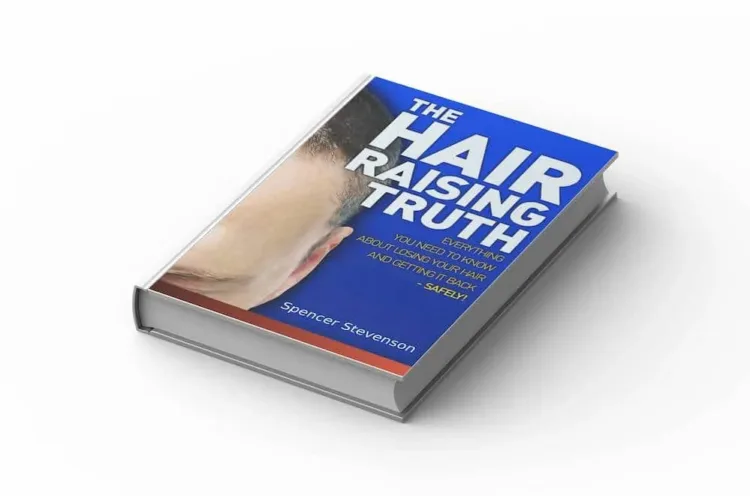

The Hair Raising Truth
Download the free E-book and find out everything you need to know about losing your hair and getting it back