John Cena’s Hair Transplant: Why His Honesty Is a Defining Moment for the Hair Loss Community

5 min read

When someone of John Cena’s global stature speaks openly about hair loss, it matters. Not because he’s famous – but because he’s human. For decades, hair loss has been something men (and women) quietly suffer through. A deeply personal experience often accompanied by embarrassment, denial, frustration, and, for many, a sense of losing control over their identity. What John Cena has done by openly acknowledging his hair loss, his decision to undergo a hair transplant, and the emotional impact it had on him is genuinely powerful and long overdue. As a patient advocate who has spent over 13 years educating, protecting, and guiding people through the hair loss minefield, I can confidently say this: John Cena has done the hair loss community an enormous service.
Breaking the Stigma Around Hair Loss
- Hair loss is not vanity.
- It’s not weakness.
- And it’s certainly not something people should feel ashamed of addressing.

Yet for years, society has conditioned men to “just accept it” while simultaneously judging them when they visibly struggle with it. That contradiction has caused countless individuals to suffer in silence, often turning to unproven treatments, dangerous shortcuts, or unethical clinics out of desperation. John Cena’s transparency cuts straight through that stigma. By openly discussing how hair loss affected him emotionally and psychologically he’s validating what millions of people feel but rarely say out loud. That sense of loss, of confidence erosion, of wanting to take control back, it’s real. And hearing someone like John articulate that experience gives others permission to do the same.
A Responsible Conversation About Hair Transplant Surgery
What makes John Cena’s journey even more impactful is how it has been communicated. This wasn’t a gimmick. This wasn’t a cosmetic “before and after” reveal. And it certainly wasn’t wrapped in marketing hype. Instead, it was honest, measured, and grounded in reality. Hair transplant surgery, when done properly, is a medical procedure not a beauty hack. It requires careful assessment, long-term planning, ethical decision-making, and realistic expectations. John’s openness helps normalise the idea that seeking proven medical solutions for hair loss is not something to hide, but something to approach responsibly.
That distinction is crucial in an industry plagued by misinformation.

Interviewing Dr. Ken Anderson: Ethics Over Hype
I also had the privilege of sitting down with Dr. Ken Anderson, John Cena’s surgeon, to discuss John’s procedure, approach, and overall philosophy towards hair restoration. That conversation mattered. Because behind every successful hair transplant is not just a patient but a surgeon who understands restraint, ethics, and responsibility. Dr. Ken Anderson is an IAHRS accepted member and his approach reinforces something I’ve said for years: the best surgeons don’t sell surgery, they educate patients. The focus isn’t on how many grafts can be extracted, but on whether surgery is appropriate at all. It’s about donor preservation, long-term planning, and ensuring the patient’s future hair loss is considered not just today’s appearance. This is the exact standard SpexHair exists to promote.
Why This Matters to the Hair Loss Community
John Cena didn’t just have a hair transplant.He sparked a conversation.
A conversation about:
- Mental health and self-image
- Masculinity and vulnerability
- Seeking help without shame
- Choosing ethical, proven treatments
- Doing proper due diligence
For those early in their hair loss journey, this moment could prevent devastating mistakes. For those already struggling, it provides reassurance that they’re not alone. And for those considering treatment, it reinforces the importance of choosing the right surgeon, not the fastest or cheapest option.
Timing, Retirement, and Legacy
It’s also impossible to ignore the timing.
John coordinating this moment of honesty around his retirement is symbolic. It speaks to self-reflection, authenticity, and closing one chapter while entering another with clarity and confidence. There’s something incredibly powerful about that. Hair loss often coincides with major life transitions, ageing, career changes, identity shifts. By addressing it openly at such a pivotal point, John reinforces that taking control of your health and wellbeing is not about vanity – it’s about agency.
What Patients Should Take Away From John Cena’s Story
If there’s one message people should take from this, it’s this: You are allowed to care. You’re allowed to feel affected by hair loss. You’re allowed to explore solutions. And you’re allowed to take action, provided it’s informed, ethical, and right for you. Hair transplants are not for everyone. And they should never be rushed. But when done properly, by the right hands, for the right reasons, they can be life-changing in the best possible way.
Why SpexHair Exists
At SpexHair, everything we do is rooted in patient protection, education, and transparency. Stories like John Cena’s reinforce why independent advocacy matters. Why third-party guidance matters. And why separating marketing noise from medical reality can quite literally change lives. John didn’t promote a clinic. He didn’t push a product. He shared an experience. And that honesty will help more people than any advertisement ever could.
Final Thoughts
John Cena’s openness around hair loss and hair transplant surgery is not just refreshing; it’s impactful.
He’s helped dismantle stigma. He’s encouraged honest conversation. And he’s shown that strength includes vulnerability. For the hair loss community, this moment will be remembered as a turning point – where transparency replaced shame, and education replaced secrecy. And for that, John Cena deserves genuine respect.

Author Bio

Spencer "Spex" Stevenson is a leading hair loss advisor with years of personal and professional experience. Through SpexHair.com, he provides trusted guidance on hair restoration.

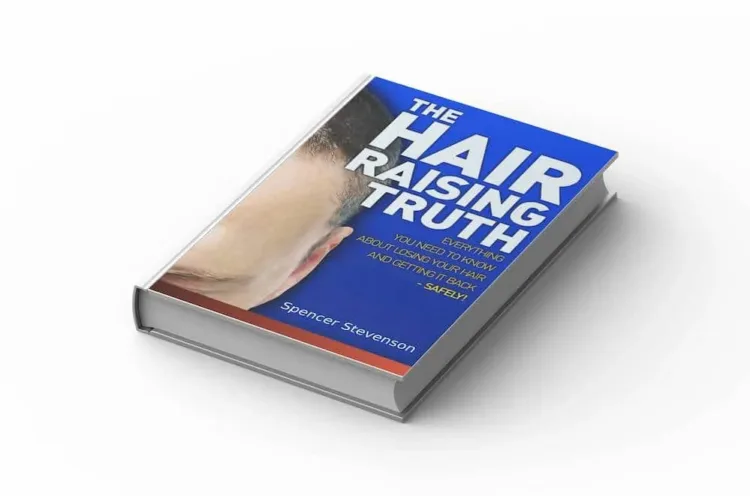
The Hair Raising Truth
Download the free E-book and find out everything you need to know about losing your hair and getting it back