Is Calling Someone “Bald” Now Sexual Harassment?

5 min read

Let’s get the legal bit straight. In the case of Finn v British Bung Manufacturing Company, an electrician with 24 years’ service was called a “bald c***” by his supervisor during an argument on the factory floor. He took his employer to tribunal and argued that the slur was harassment related to his sex. The tribunal agreed. Commenting on a man’s baldness, they said, was comparable to commenting on the size of a woman’s breasts – a physical characteristic strongly associated with one sex, used in a derogatory way. Later, the Employment Appeal Tribunal upheld the decision: calling someone bald can be harassment related to sex where it’s unwanted, targeted and has the purpose or effect of violating their dignity or creating a hostile environment So no, the law isn’t saying the word “bald” is banned. It’s saying this:
if you weaponise someone’s hair loss against them at work, you might be crossing the line into unlawful harassment. And honestly? It’s about time.
“It’s Just Banter” – No, It’s Not
The defence is always the same:
- “We were only having a laugh.”
- “He’s fine with it.”
- “That’s just office banter.”
The tribunals are slowly catching up with reality: weaponised “banter” can absolutely be harassment – whether it’s calling a colleague a “nutter”, a “princess”, or using slurs about their appearance, sexuality or mental health.
- Hair is no different. In fact, for men, it’s often the pressure point.
- When you’ve watched your hairline creep back year after year…
- When you’ve tried every shampoo, supplement and comb-over…
- When you’ve avoided swimming, wind, bright lights and group photos…
…having someone at work label you “bald” in front of everyone isn’t a joke. It’s exposure. It’s humiliation. It’s confirmation of your worst fears delivered with a smirk.
I know, because I’ve lived it.
Bald Shaming, Hair Loss and Mental Health
Before I became “Spex” from SpexHair, I was just another guy quietly imploding over his hair. I’ve had 13 hair transplants. I’ve made mistakes with the wrong clinics. I’ve sat in cars after comments from colleagues or strangers and just… deflated. That sick feeling in your stomach when you realise your appearance has become the punchline.

Now multiply that by:
- the pressure of being “the man” who’s supposed to shrug it off
- the fear of being seen as “too sensitive”
- the worry that complaining will make things worse, not better
When I speak to patients, the stories are hauntingly similar:
- “They started calling me ‘Friar Tuck’ in the office.”
- “Every Zoom call someone mentioned my hairline.”
- “They thought I was overreacting when I asked them to stop.”
On paper, it’s “only words”. In reality, it’s an assault on self-esteem – layered on top of an already brutal emotional journey with hair loss. That’s why this ruling matters. It finally recognises what hair-loss sufferers have known for years: persistent, targeted comments about baldness aren’t harmless. They’re damaging.

This Isn’t About Snowflakes – It’s About Respect
Let’s deal with the inevitable pushback:
Nonsense. The law is actually very clear: harassment is unwanted conduct that has the purpose or effect of violating someone’s dignity or creating an intimidating, hostile, degrading, humiliating or offensive environment.
Translation?
- If you’re not sure how it lands – don’t say it.
- If someone asks you to stop – stop.
- If you’re using their appearance to score points in front of others – you probably already know it’s not okay.
There’s a huge difference between a mate you’ve known 20 years who openly jokes about his own baldness – and a manager using “bald” as a put-down in a performance review. Context is everything. Power dynamics are everything. Intent and impact are everything. This isn’t about being precious. It’s about basic respect.

What This Means If You’re Losing Your Hair
If you’re a guy dealing with hair loss, this ruling sends an important message:
You’re not “overreacting” if comments about your baldness at work make you uncomfortable. You’re not weak, you’re not vain, and you’re not being dramatic.
You’re a human being with the right to:
- do your job without being ridiculed for a medical condition
- set boundaries around “banter” that isn’t funny to you
- ask your employer to step in if a line is crossed
And to be crystal clear: a tribunal still looks at the full picture – frequency, context, intent, impact. Not every comment will be unlawful harassment. But you now have legal recognition that your baldness is not fair game for abuse.
Where SpexHair Comes In
I didn’t build SpexHair just to talk about graft counts and hairlines.
I built it because hair loss is an emotional, psychological, social and legal minefield – and most guys are walking through it blind.
So here’s my message to you:
- If you’re being mocked, undermined or humiliated over your baldness at work – you’re not imagining it.
- If you feel your dignity is being chipped away – that matters.
- If you’re considering a hair transplant because you feel bullied into “fixing” yourself – pause. Surgery is a last resort, not a response to harassment.
Educate yourself. Protect yourself. And don’t be afraid to say:
Because in the eyes of the law – and in the eyes of someone who’s lived this for over two decades – your hair loss is never an excuse for abuse.
It never was. Now the system is finally starting to admit it.

Author Bio

Spencer "Spex" Stevenson is a leading hair loss advisor with years of personal and professional experience. Through SpexHair.com, he provides trusted guidance on hair restoration.

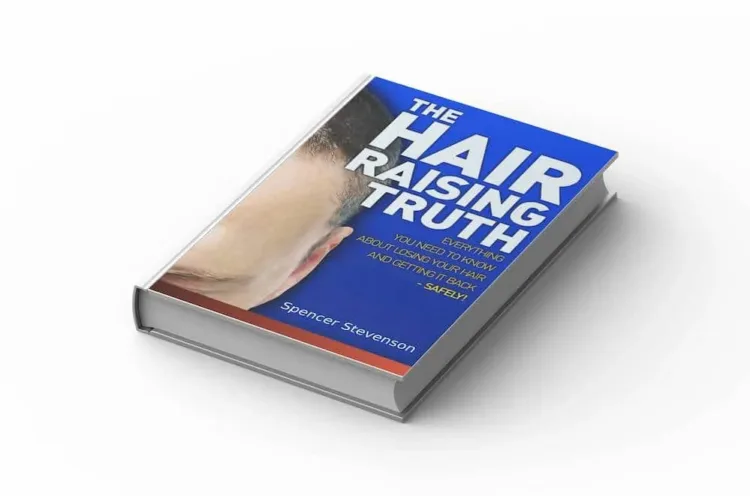
The Hair Raising Truth
Download the free E-book and find out everything you need to know about losing your hair and getting it back