Everything You Should Know Before Getting a Hair Transplant

13 min read

When Should You Really Consider a Hair Transplant? – The Truth No One Tells You
Hair loss creeps up slowly… and then suddenly it’s all you can see in the mirror. For most men facing male pattern baldness, the big question eventually arrives:
“Is it time for a hair transplant?” The honest answer? Not straight away as surgey is always a last resort. Despite the explosion in the popularity of hair restoration surgery, a hair transplant should never be the first weapon you reach for. Long-term success comes from smart strategy, not urgency. Before anyone steps foot in a hair transplant clinic, it’s crucial to build a strong defence plan against hair loss. That means supporting the scalp, improving follicle health, and — most importantly — tackling the root biological trigger behind male pattern baldness: dihydrotestosterone (DHT).
DHT is the hormonal assassin behind most hair loss cases. When testosterone is converted by the 5-alpha-reductase enzyme into DHT inside the follicle, the damage begins. DHT gradually suffocates the follicle, shrinking it through a process called miniaturisation until the hair becomes thinner, shorter… and eventually stops growing entirely. Once a follicle dies, it’s gone for good. That’s why early action matters. With the right approach — vitamins, supplements, topical therapies, medicated treatments, and lifestyle optimisation — many men can strengthen their existing hair and dramatically slow the balding process before ever considering surgery. But when those options no longer hold the line… that’s when a hair transplant becomes a life-changing and confidence-restoring option.

After 13 hair transplant procedures myself, and over two decades immersed in the global hair restoration industry as a patient advocate, I’ve learned exactly what works and what can go very wrong. If you want to understand hair restoration properly — without hype, without snake oil, and without marketing spin, you’re in the right place. Things are about to get real… and at times, a little graphic. But if you’re serious about protecting your hair — and your future — keep reading. If you’re navigating the world of hair thinning, hair loss or hair transplantation, it’s crucial to go in informed. Hair restoration isn’t simply a quick fix. It’s a strategic investment in your appearance and confidence. Below is a comprehensive guide to help you understand how hair transplants work, what to expect, and how to maximise your outcome.
Why a transplant should be the final step
When dealing with hair loss (whether receding hairline, crown thinning or diffuse shedding), start with the foundation: medical treatments, lifestyle changes, and donor-area care. Only after you’ve exhausted non-surgical options should you seriously consider surgical hair restoration. A hair transplant isn’t the first line; it should come into play when you’ve accepted that prevention and retention are no longer enough.
The two main transplant techniques
Broadly speaking, there are two primary methods in hair transplantation:
- Follicular Unit Transplantation (FUT or “strip” method): A strip of scalp is removed, dissected into grafts, and then inserted into the recipient area.
- Follicular Unit Extraction (FUE): Individual follicle units are harvested one by one (either by hand or with a device) and then implanted.
Each method has its pros and cons – from scar visibility, donor-area healing time, to cost and hair density achievable. Knowing how each works helps you ask the right questions of your surgeon.

Setting realistic expectations
When you undergo a hair transplant, patience is key. Most patients observe around 50-60% of new growth between 6 to 9 months post-procedure. However, full maturation of the result, the final hairline, density, and texture — can take 12 to 18 months or longer. If you expect an immediate full head of thick hair, you’re likely to be disappointed. Instead, view the transplant as the first phase of a longer restoration journey.
The decision to plan for more than one session
Hair loss is a progressive condition, and non-transplanted hairs will continue to fall in line with your genetics. Because of this, many patients eventually require a second (or even third) transplant to maintain consistent results. Most surgeons recommend waiting 10-12 months after the first transplant to assess how the grafts have taken and how the remaining native hair continues to behave. Going in with a one-and-done mindset is often unrealistic if you want long-term coverage and density.
Choosing your surgeon and clinic with care
In the hair restoration arena, surgeon skill, clinic infrastructure, and after-care support matter just as much as the technique used. Make sure you:
- Verify credentials and memberships of hair-restoration organisations.
- Review before-and-after case studies of similar hair types/thinning patterns to yours.
- Ask how the clinic plans for future hair loss (not just the immediate area).
- Understand what the realistic outcome for you is — age, donor hair quality, hair calibre and the progression of your loss all influence this.
Recovery, growth phases and what to expect
Post-surgery, your scalp will go through a sequence of events: early swelling, scabbing, shedding of transplanted hairs (“shock loss”), and then the slow emergence of new growth. As noted, many patients see initial sprouts around month 4, but meaningful density often shows around months 7-9. Patience matters. Early changes may look underwhelming, but by month 12+ the result will often be very different.
It’s not just surgery — long-term strategy matters
A hair transplant relocates donor hairs (typically from the back and sides) to balding zones. However, it does not halt further native hair loss elsewhere on your scalp. That means you’ll still benefit from adjunct care: medical treatments (like topical/minoxidil, oral finasteride), lifestyle choices (avoiding smoking, managing stress), and long-term monitoring. A comprehensive restoration plan includes surgery + non-surgical maintenance.

Final word: Empowered decisions drive the best results
If you’re dealing with hair thinning, hereditary baldness, or simply the decision whether “is a hair transplant right for me?”, then gather your facts, chat to experienced professionals (and people who’ve been through it), and ask yourself real questions:
- Do I have good donor reserves and realistic expectations?
- Have I committed to the ongoing support required (medications, life routines, follow-ups)?
- Am I prepared for a potential multi-stage strategy?
- Have I chosen my clinic/surgeon based on skill, transparency and long-term thinking?
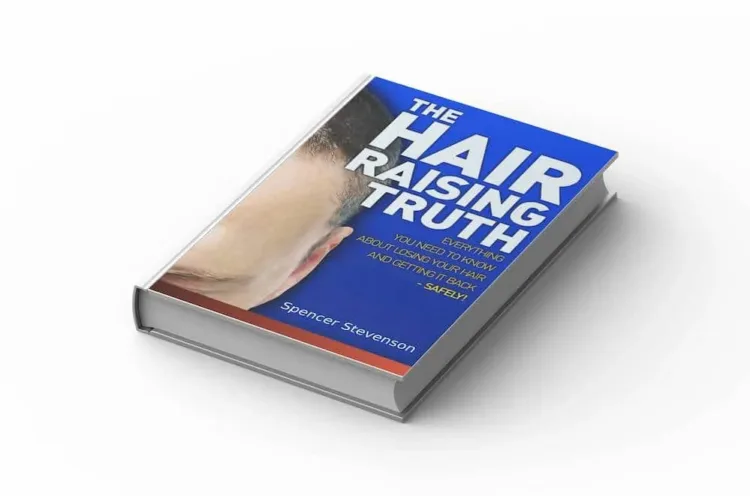
The Hair Raising Truth
Download the free E-book and find out everything you need to know about losing your hair and getting it back
Hair Transplants: The Truth No One Tells You — and Why Timing Matters
At Spex Hair, my goal is to empower you with education, transparency and connection to credible clinics, so you make the best decision for your hair — today and tomorrow. Whether you’re considering your first transplant, worried about future hair thinning, or wondering how to get the most from your existing treatment, keep the conversation going. Knowledge is power and in hair restoration, informed action leads to the most satisfying outcomes. Hair loss rarely hits all at once — it creeps in slowly until it dominates every mirror, every photo, every thought. And when it does, most men eventually ask the same question: “Is it time for a hair transplant?” The truth; the truth the industry doesn’t always want to say — is not yet. A transplant should never be the first step. Long-term success comes from a strategy, not panic. Before surgery is even on the table, it’s crucial to stabilise hair loss by protecting your existing follicles and confronting the main driver of male pattern baldness: DHT-induced miniaturisation. With the right non-surgical regimen in place, many men can dramatically slow — or even reverse — the process. But when retention alone isn’t enough, a hair transplant becomes a powerful, life-changing tool. The key is understanding timing, planning, donor management, and long-term care — because surgery isn’t a “cure”, it’s one phase of a bigger roadmap.
After 20 years in the global hair-restoration space, 13 transplants personally, and speaking with tens of thousands of patients, I’ve learned what works, what fails, and how to avoid the irreversible mistakes no one warns you about. If you’re thinking about a transplant — or just trying to protect your future hair – don’t guess. Get informed, get strategic, and get guidance from someone who’s lived it. Reach out, and let’s talk through your situation confidentially — before you make a decision that’s permanent.
Author Bio

Spencer "Spex" Stevenson is a leading hair loss advisor with years of personal and professional experience. Through SpexHair.com, he provides trusted guidance on hair restoration.

The Hair Raising Truth
Download the free E-book and find out everything you need to know about losing your hair and getting it back