David Beckham Hair: Hair Loss, Hair Transplants and Modern Hair Restoration

5 min read

Few individuals have influenced global grooming trends quite like David Beckham. From his footballing legacy to his status as a style icon, Beckham has remained a figure of fascination for decades. One subject that continually resurfaces is his hair. As someone who has personally dealt with hair loss and spent the last 20 years supporting, educating and guiding men through this journey, I am regularly asked to comment on Beckham’s hair transformation in the media, including the BBC, GQ, The Telegraph, and other major outlets.
What is clear is that David Beckham, like many men in the public eye, has not simply “maintained good hair” by chance. His hair evolution over the years strongly aligns with widely used hair restoration interventions that are extremely common among celebrities, high-profile figures, and any individual seeking to preserve density and styling flexibility well into adulthood. This blog breaks down what appears to be at play from an expert standpoint. The intention is not critique or speculation for entertainment, but rather education, clarity and useful insight for men worldwide who see Beckham’s hair and wonder, “How did he manage to keep it looking like that?”

- Male Pattern Hair Loss and Prevention
Male pattern hair loss (androgenetic alopecia) is progressive. Without intervention, hair continues to miniaturise and thin over time. Beckham’s hair in the early 2000s showed the early signs of typical recession in the temples. However, the progression appears to have stabilised significantly over the years, which strongly suggests he has been using a clinically proven treatment such as Finasteride. Finasteride is widely used by men who want to retain existing hair. It does not restore what is already lost, but it is highly effective at slowing or stopping further miniaturisation. From my professional perspective, based on two decades working with thousands of patients and world-leading surgeons, Beckham’s maintenance pattern is highly consistent with someone who has used Finasteride consistently.
- The Role of Hair Transplantation
While medical therapy preserves hair, it cannot bring back what is already gone. In several public phases throughout Beckham’s career, there have been periods where the density, hairline shape and positioning appeared noticeably different. These changes align with results typically seen following FUE hair transplant procedures. It is reasonable to conclude that he has undergone at least one, and likely multiple, FUE sessions over the years. FUE transplantation involves extracting individual follicular units from the donor area and implanting them into thinning regions. This requires shaving the donor zone, which aligns with occasions where Beckham has appeared with a noticeably shorter, freshly cropped buzzed cut, followed by consistent hat-wearing during the healing phase.

Hairline Design and Naturalness
One key area worth highlighting is hairline design. Beckham’s more recent frontal hairline appears lower and more rounded, creating a softer and slightly more feminine contour. While many patients request lower hairlines, responsible clinics prioritise long-term donor preservation and a natural age-appropriate design. A flatter, more youthful hairline can appear appealing in the short term but may not always age gracefully or harmonise with future hair changes. In my professional view, his current design appears to be the result of patient-chosen aesthetics rather than conservative long-term planning. This is not uncommon among celebrities where visual immediacy takes priority.
Use of Concealers and Density Support
There have been numerous public appearances where Beckham’s hair appears noticeably thicker than in candid or transitional periods. This difference is very consistent with the use of hair fibre concealers such as Nanogen or Toppik. These products are widely used across film, TV, professional sport and celebrity environments because they provide instant density and improved visual texture under bright lights or high-definition cameras.
I have spoken about this many times in mainstream media interviews. Concealers are not a sign of “problem hair.” They are simply tools. Much like makeup for the skin, they exist to enhance presentation.
Why This Matters for Men Today
Beckham’s journey is important because it helps normalise the reality that even the most genetically blessed, well-groomed and well-resourced individuals often require support to maintain their hair. Hair loss is not a failure or a personal flaw. It is biology.
The critical takeaway is this:
Be proactive, not reactive.
• Preserve what you have before it is gone
• Choose qualified, ethical clinicians
• Do not chase a youthful hairline at the cost of future donor supply
• Understand that long-term management is the goal, not a quick fix
Final Thoughts
David Beckham’s hair restoration journey reflects a blend of medical therapy, likely multiple FUE hair transplant procedures, careful styling and occasional use of fibres to maintain consistent density. He is far from alone. The vast majority of public figures who maintain strong hair into their 40s and 50s do so with help.
The key is making informed, strategic decisions with guidance from experts who prioritise your long-term outcome.
If you are considering your own hair restoration journey, education must always come first.
Visit SpexHair.com to learn more, explore proven treatment pathways, and understand how to protect your long-term hair future.
Author Bio
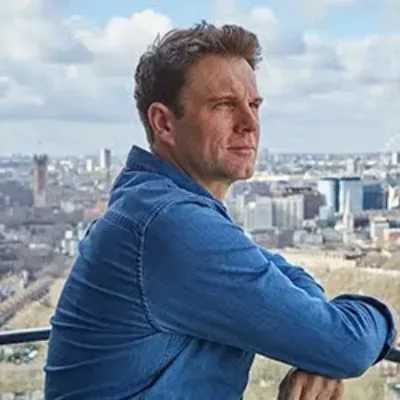
Spencer "Spex" Stevenson is a leading hair loss advisor with years of personal and professional experience. Through SpexHair.com, he provides trusted guidance on hair restoration.

The Hair Raising Truth
Download the free E-book and find out everything you need to know about losing your hair and getting it back